| 别名 | FGF1;FGFA;Fibroblast growth factor 1;FGF-1;Acidic fibroblast growth factor;aFGF;Endothelial cell growth factor;ECGF;Heparin-binding growth factor 1;HBGF-1 |
| 基因名称 | FGF1 |
| 蛋白名称 | Fibroblast growth factor 1 |
| 推荐应用 | |
| 反应物种 | Human,Mouse,Rat |
| 存储缓冲液 | PBS, 50% glycerol, 0.05% Proclin 300, 0.05%BSA |
| Human Swissprot No. | P05230 |
| Mouse Gene ID | 14164 |
| Mouse Swissprot No. | P61148 |
| Rat Gene ID | 25317 |
| Rat Swissprot No. | P61149 |
| 特异性 | Endogenous |
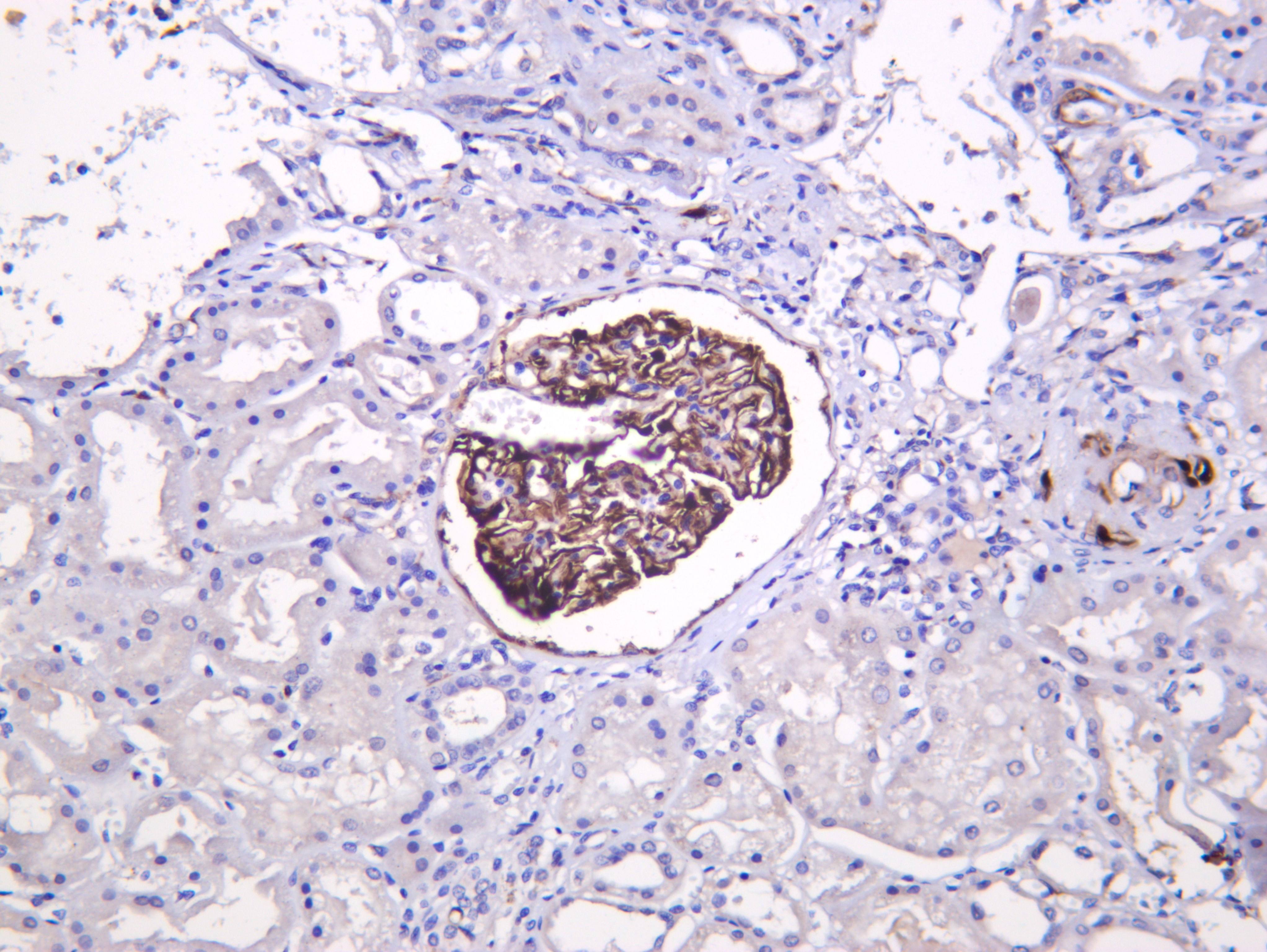
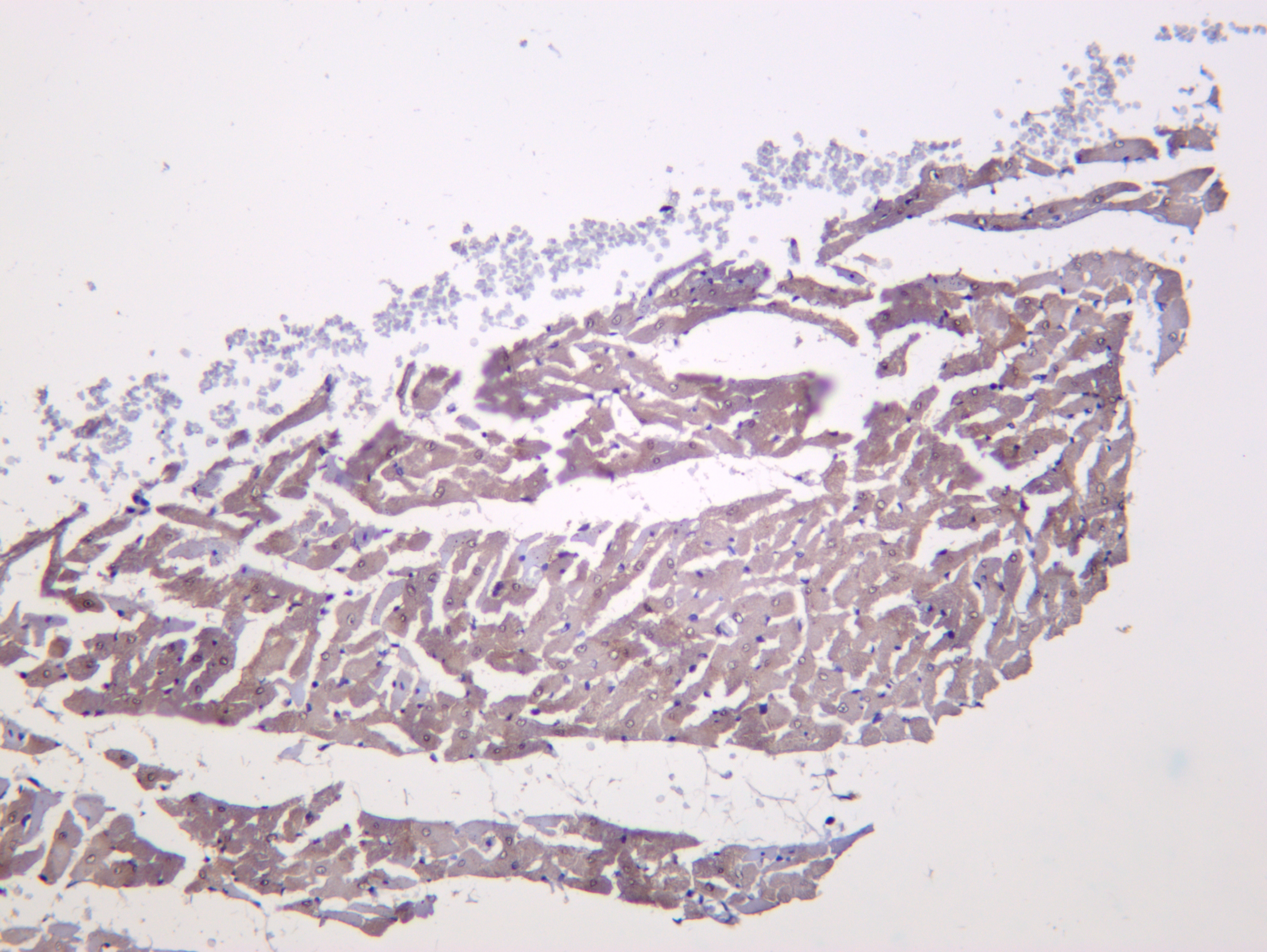
| 稀释度 | IHC-P 1:200-1:1000;WB 1:2000-1:10000;IF-P/IF-F/IF-ICC 1:200-1:1000;ELISA 1:5000-1:20000; |
| 参考分子量 | 18kDa |
| 预测分子量 | 17kDa |
| 运输及保存条件 | Biological ice bag transportation. Store at -20°C for at least 12 months(Do not lower than -25°C). Avoid freeze/thaw cycles |
| 宿主 | Rabbit |
| 同种型 | IgG,Kappa |
| 背景介绍 | The protein encoded by this gene is a member of the fibroblast growth factor (FGF) family. FGF family members possess broad mitogenic and cell survival activities, and are involved in a variety of biological processes, including embryonic development, cell growth, morphogenesis, tissue repair, tumor growth and invasion. This protein functions as a modifier of endothelial cell migration and proliferation, as well as an angiogenic factor. It acts as a mitogen for a variety of mesoderm- and neuroectoderm-derived cells in vitro, thus is thought to be involved in organogenesis. Multiple alternatively spliced variants encoding different isoforms have been described. [provided by RefSeq, Jan 2009], |
| 细胞定位 | Secreted. Cytoplasm. Cytoplasm, cell cortex. Cytoplasm, cytosol. Nucleus. Lacks a cleavable signal sequence. Within the cytoplasm, it is transported to the cell membrane and then secreted by a non-classical pathway that requires Cu(2+) ions and S100A13. Secreted in a complex with SYT1 (By similarity). Binding of exogenous FGF1 to FGFR facilitates endocytosis followed by translocation of FGF1 across endosomal membrane into the cytosol. Nuclear import from the cytosol requires the classical nuclear import machinery, involving proteins KPNA1 and KPNB1, as well as LRRC59. . |
| 功能 | Function:The heparin-binding growth factors are angiogenic agents in vivo and are potent mitogens for a variety of cell types in vitro. There are differences in the tissue distribution and concentration of these 2 growth factors.,miscellaneous:This protein binds heparin, although less strongly than does bFGF.,similarity:Belongs to the heparin-binding growth factors family.,subunit:Monomer. Binds FGFR2. Forms a ternary complex containing 2 molecules each of FGFR2 and FGF1 for 1 heparin molecule. Found in a complex with FGFBP1, FGF1 and FGF2. Interacts with FGFBP1., |
| Clonality | Monoclonal |
| 细胞定位 | Secreted. Cytoplasm. Cytoplasm, cell cortex. Cytoplasm, cytosol. Nucleus. Lacks a cleavable signal sequence. Within the cytoplasm, it is transported to the cell membrane and then secreted by a non-classical pathway that requires Cu(2+) ions and S100A13. Secreted in a complex with SYT1 (By similarity). Binding of exogenous FGF1 to FGFR facilitates endocytosis followed by translocation of FGF1 across endosomal membrane into the cytosol. Nuclear import from the cytosol requires the classical nuclear import machinery, involving proteins KPNA1 and KPNB1, as well as LRRC59. . |


周一至周日 8:00-18:00