| 别名 | TMEM173;ERIS;MITA;STING;Transmembrane protein 173;Endoplasmic reticulum interferon stimulator;ERIS;Mediator of IRF3 activation;hMITA;Stimulator of interferon genes protein;hSTING;ERIS;MITA;STING |
| 基因名称 | STING1 |
| 蛋白名称 | Transmembrane protein 173 |
| 推荐应用 | |
| 反应物种 | Human,Mouse,Rat |
| 存储缓冲液 | PBS, 50% glycerol, 0.05% Proclin 300, 0.05%BSA |
| Human Gene Link | http://www.ncbi.nlm.nih.gov/sites/entrez?db=gene&term=340061 |
| Human Swissprot No. | Q86WV6 |
| Human Swissprot Link | http://www.uniprot.org/uniprotkb/Q86WV6/entry |
| Mouse Gene ID | 72512 |
| Mouse Gene Link | http://www.ncbi.nlm.nih.gov/sites/entrez?db=gene&term=72512 |
| Mouse Swissprot No. | Q3TBT3 |
| Mouse Swissprot Link | http://www.uniprot.org/uniprot/Q3TBT3 |
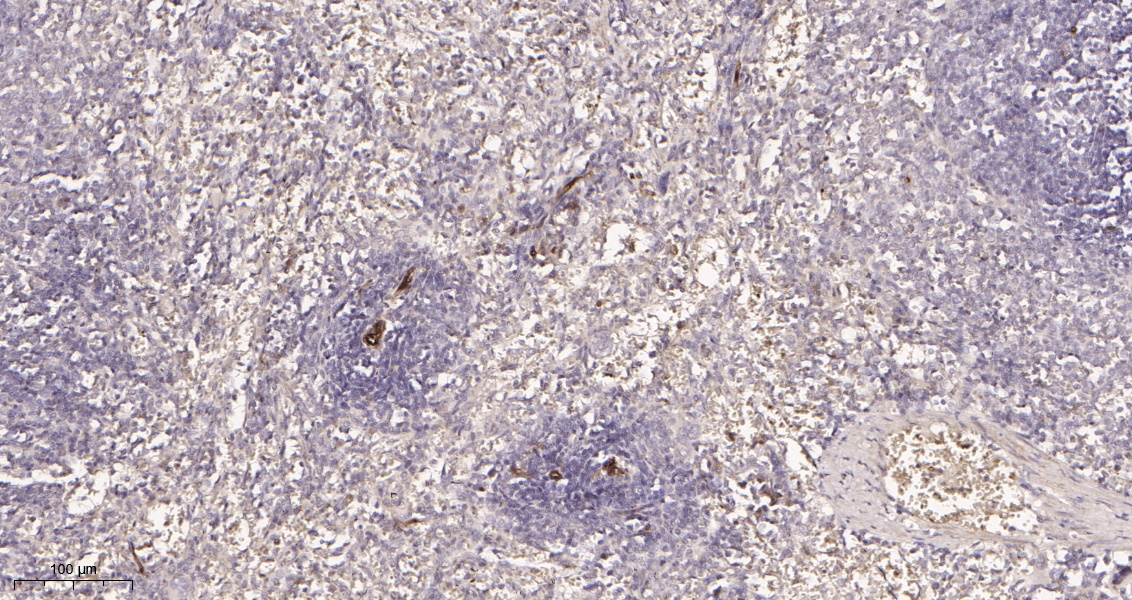
| 稀释度 | IHC-P 1:200-1000,WB 1:1000-5000,IF-P/IF-F/IF-ICC 1:200-1000,ELISA 1:5000-20000,IP 1:50-200 |
| 参考分子量 | 37kDa |
| 预测分子量 | 42kDa |
| 运输及保存条件 | Biological ice bag transportation. Store at -20°C for at least 12 months(Do not lower than -25°C). Avoid freeze/thaw cycles |
| 宿主 | Rabbit |
| 同种型 | Monoclonal, rabbit, IgG, Kappa |
| 背景介绍 | This gene encodes a five transmembrane protein that functions as a major regulator of the innate immune response to viral and bacterial infections. The encoded protein is a pattern recognition receptor that detects cytosolic nucleic acids and transmits signals that activate type I interferon responses. The encoded protein has also been shown to play a role in apoptotic signaling by associating with type II major histocompatibility complex. Mutations in this gene are the cause of infantile-onset STING-associated vasculopathy. Alternate splicing results in multiple transcript variants. [provided by RefSeq, Sep 2014], |
| 信号通路 | RIG-I-like receptor;Cytosolic DNA-sensing pathway; |
| 功能 | function:Acts as a facilitator of innate immune signaling. Able to activate both NF-kappa-B and IRF3 transcription pathways to induce expression of type I interferon (IFN-alpha and IFN-beta) and exert a potent anti-viral state following expression. May be involved in translocon function, the translocon possibly being able to influence the induction of type I interferons. May be involved in transduction of apoptotic signals via its association with the major histocompatibility complex class II (MHC-II). Mediates death signaling via activation of the extracellular signal-regulated kinase (ERK) pathway.,PTM:Phosphorylated on tyrosine residues upon MHC-II aggregation.,subunit:Associates with the MHC-II complex (By similarity). Interacts with DDX58/RIG-I, MAVS/VISA and SSR2.,tissue specificity:Ubiquitously expressed., |
| 纯化 | Protein A |
| Clonality | Monoclonal |


周一至周日 8:00-18:00